
Ladder Game | A Cards Guide on mplphstanding
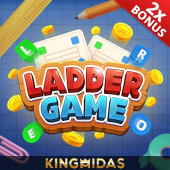
Ladder Game Cards
Ladder Game is a step-by-step cards experience: choose whether to climb, pause, or protect a result while the next reveal is still uncertain. The clearest way to approach Ladder Game is to set a small session limit first, then use the demo view to understand the rhythm before committing to any play.
Ladder Game Demo practice helps you learn the visible controls, while mplphstanding Ladder Game gives the same compact decision focus on a phone-sized screen.
Quick answer: Ladder Game rewards a calm, rules-first approach rather than a promise of a guaranteed outcome. Read the next-step information, decide on a stopping point before you climb, and treat every reveal as independent. That makes Ladder Game easier to understand and keeps a short session within your chosen boundaries.
More cards to compare after Ladder Game
These four related cards options are shown as direct promotional choices, not as invented detail routes. Each item keeps its recorded name, cards type, and exact icon so you can recognize it before opening the mplphstanding play area.
 5 Card Poker
Cards
 Cards Hi Lo
Cards
 Coin Pusher
Cards
 Coin Toss
Cards
Ladder Game explained from the first reveal to the last
In short, Ladder Game is a controlled sequence of choices. You enter a round, review the current position, and decide whether to move to the next rung or stop with the result already shown. The interface is intentionally compact, so the most important information is the current rung, the next decision, and the value attached to continuing.
1. Read the starting position
Begin by checking the displayed stake, the first rung, and any available stop or collect control. A Ladder Game Demo round is useful here because it lets you identify the layout without confusing the learning phase with a real-money decision. Do not assume that an attractive multiplier changes the probability of the next reveal.
2. Choose the next rung
When the next-step control is available, select it only when it fits the limit you set before the round. A climb can increase exposure as well as possible return. Ladder Game is easier to follow when you make one decision at a time and avoid changing the plan because of a previous win or loss.
3. Stop with intention
Stopping is an active part of the format, not a sign that the session failed. If the displayed result reaches your preset target, collect it and record the session. If the loss limit is reached, close the round. This simple habit gives mplphstanding Ladder Game a clearer beginning and ending on a mobile device.
The exact controls can vary by release, so read the on-screen rules before selecting a rung. The goal of this guide is to explain the decision pattern, not to suggest that any system can predict a random reveal.
Ladder Game comparison factors for choosing a session
The best comparison is the one that matches your preferred pace and risk boundary. Look at the decision frequency, the clarity of the stop control, the amount of information shown before a reveal, and how comfortably the interface fits your device. A title such as Mega Ace may suit a different pace, but it should not be treated as a substitute for understanding Ladder Game itself.
Decision pace
Ladder Game asks for attention at each rung. That suits players who prefer short, visible choices over a long reel sequence. Compare the number of actions you can make in one round with the amount of time you want to spend watching the screen. A slower pace can make it easier to notice a limit and stop on time.
Information before action
Before you compare a cards title, check whether the rules clearly explain the current rung, the collect option, and the effect of moving onward. A clean information panel is more useful than a crowded promise of large prizes. Ladder Game Demo is especially helpful for testing whether those controls are easy to read on a small screen.
Budget fit
Compare the minimum displayed stake with the session budget you can genuinely afford to lose. Do not choose a game because a larger possible return sounds exciting. Ladder Game should remain a small entertainment choice, and a lower stake with a firm stop can be more suitable than chasing a higher rung.
Mobile comfort
Check text size, tap spacing, and whether the current rung remains visible after every action. The compact mplphstanding Ladder Game layout is most useful when the phone stays in one comfortable orientation and the player does not need to zoom or scroll sideways.
Ladder Game strategy for steady, responsible decisions
A sound Ladder Game strategy is a money-and-time plan, not a prediction trick. Decide what a session may cost, how long it may last, and which result would be enough before you open the first round. Then follow those rules even when the previous rung feels encouraging.
Set a session unit
Divide your entertainment budget into small units and select a unit size that leaves room for a complete session. Keeping the unit stable prevents one emotional decision from consuming the whole budget. Never use rent, food, bill, or borrowed money for a Ladder Game session.
Use time and loss limits
Set a timer before you begin and stop when it ends. Pair it with a loss limit that cannot be negotiated during play. A win limit can also help you close a positive session. The purpose is to keep a Ladder Game round inside a planned activity rather than let one result decide when to finish.
Learn with the demo view
Use the Ladder Game Demo to identify the step indicator, rule panel, and collect action. Practice describing your next decision out loud or in a note before tapping it. This makes the process familiar without pretending that practice outcomes forecast later outcomes.
Avoid outcome chasing
Previous reveals do not make a particular next card more likely. Do not increase a stake to recover a loss, and do not continue only because a win has made you feel lucky. If concentration drops, pause. Returning another day is a better choice than forcing a decision while tired or upset.
For a broader view of the platform experience, read the Mplphstanding Review after you have learned the Ladder Game controls. Independent judgment, a clear budget, and responsible play matter more than any claimed shortcut.
Ladder Game requirements before you begin
You need a supported device, a stable connection, a clear rules panel, and a preset play boundary. These practical requirements are enough to prepare for a short Ladder Game session; they do not promise a win and should not be confused with a guarantee of a particular return.
- Age and local responsibility: Only adults who are permitted to participate in their location should use the service. Follow applicable rules and choose responsible-gaming controls whenever they are available.
- Reliable access: Use a current mobile browser or the platform access method you normally trust. A stable connection helps the rules and round status remain readable, but it cannot change a random result.
- Screen readiness: Keep enough battery, close distracting applications, and use a comfortable brightness level. The current rung and collect control should be visible without horizontal scrolling.
- Account readiness: If an account is required, use accurate information and protect the login details. Review the service rules, privacy information, and any transaction conditions before funding an account.
- Budget readiness: Decide the maximum session amount and time before opening Ladder Game. Do not treat a demo balance, a bonus, or a possible multiplier as income.
- Rule readiness: Read how the next reveal, stopping action, and displayed values work in the current release. If a control is unclear, do not tap it until the explanation is clear.
A simple pre-session check
Ask yourself three questions: Do I understand the next action? Is this amount disposable? Can I stop at the limit I chose? If any answer is no, stay with the Ladder Game Demo or leave the session for later. The Index is available when you want to browse other categories without rushing this decision.
Ladder Game pros and limitations in everyday play
Ladder Game is valuable for its clear, short decisions, but its simplicity does not remove uncertainty. Consider both sides before choosing it, especially if you prefer a slower practice session or need strong limits around screen time and spending.
Where Ladder Game can fit
- The rung-by-rung format makes the next decision easy to identify.
- A visible stop or collect point encourages players to think about an exit before continuing.
- The cards presentation is compact and can be comfortable on a phone when the controls are readable.
- A demo view can help a new player learn labels and navigation without using a real session budget.
- The short-round structure can suit someone who prefers a defined activity over an open-ended game list.
What Ladder Game cannot provide
- No strategy can guarantee the next card, reveal, multiplier, or final result.
- A previous win does not improve the odds of the next independent decision.
- Fast rounds can encourage impulsive repetition when a timer or loss limit is ignored.
- Connection problems, unclear rules, or an unfamiliar control are reasons to pause rather than guess.
- A demo result is for learning the interface and should not be presented as evidence of future performance.
In practical terms, choose Ladder Game for the clarity of its format, not for a claim of certainty. A responsible player can enjoy the structure while accepting that the result remains uncertain.
Ladder Game FAQs for new players
The short answers below cover the questions that matter most before a first round. Always give priority to the current in-game rules and the platform terms if a label or control changes.
Make your next Ladder Game session easier to follow
Start with the rules, rehearse with the demo view, and keep your stop point visible. That sequence answers the main search question: Ladder Game is a compact cards activity built around one choice at a time, so understanding the choice is more important than chasing a rung.
Keep the screen comfortable, use only a disposable entertainment amount, and take a real break when the session ends. If the format stops feeling enjoyable or controlled, step away and use the available responsible-play support. A careful approach lets you explore mplphstanding Ladder Game without turning an uncertain result into a promise.